Taste profile
Balanced, sweet, soft, and smooth.
Cocktail guide
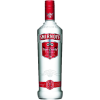
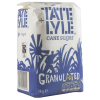
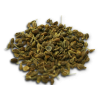
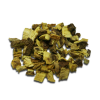
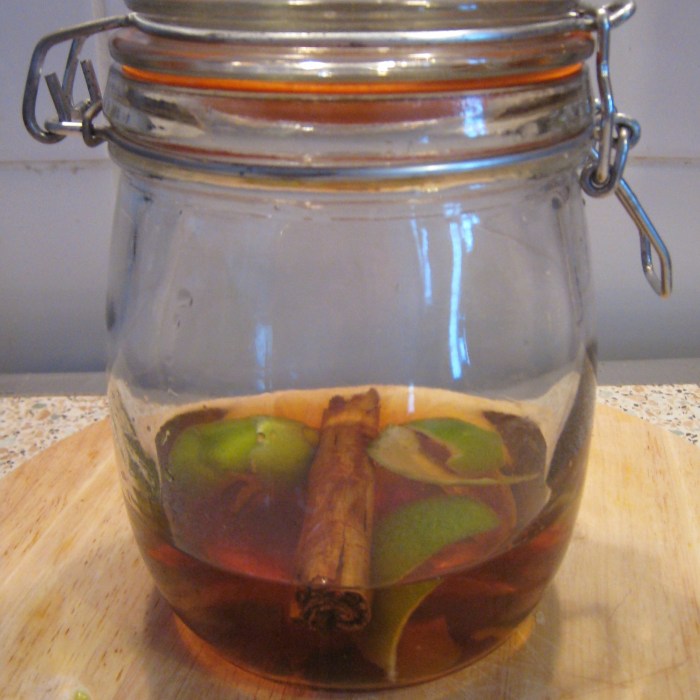
Absinthe #2 combines Vodka, Sugar, Anise, Licorice Root in a homemade liqueur served in a jar. It is a strong fit for house party and feels right at home in a well-stocked cocktail rotation.
Taste profile
Balanced, sweet, soft, and smooth.
Best for
Best for house party.
Quick fact
Absinthe is an anise-flavoured spirit derived from several plants, including the flowers and leaves of Artemisia absinthium, together with green anise, sweet fennel, and other medicinal and culinary herbs.
Rate it if you tried it
Ingredients
How to make it
Method
Mixed
Finish
No garnish note saved yet.
Taste map
Strength
Balanced
Sweetness
Sweet
Sourness
Soft
Bitterness
Smooth
Read: Absinthe #2 is a medium alcoholic cocktail for house party with Vodka, Sugar, Anise.
Texture and serve cues
Glassware
Jar
Method
Mixed
More to know before you make it
Flavor & pairing
Expect round sweetness with support from Vodka, Sugar, Anise. Easy to serve with snacks, small plates, and casual sharing food.
Serving & context
Serve in a jar and aim for a medium prep that still feels polished in the glass. Absinthe #2 sits comfortably in the vodka cocktail tradition, with an approachable style for home bartenders.
Background
Absinthe is an anise-flavoured spirit derived from several plants, including the flowers and leaves of Artemisia absinthium, together with green anise, sweet fennel, and other medicinal and culinary herbs.
Absinthe (, French: [apsɛ̃t] ) is an anise-flavoured spirit derived from several plants, including the flowers and leaves of Artemisia absinthium ("grand wormwood"), together with green anise, sweet fennel, and other medicinal and culinary herbs. Historically described as a highly alcoholic spirit, it is 45–74% ABV or 90–148 proof in the US. Absinthe traditionally has a natural green colour but may also be colourless. It is commonly referred to in historical literature as la fée verte 'the green fairy'. While sometimes casually referred to as a liqueur, absinthe is not traditionally bottled with sugar or sweeteners. Absinthe is traditionally bottled at a high level of alcohol by volume, but it is normally diluted with water before being consumed. Absinthe was created in the canton of Neuchâtel in Switzerland in the late 18th century by the French physician Pierre Ordinaire. It rose to great popularity as an alcoholic drink in late 19th- and early 20th-century France, particularly among Parisian artists and writers. The consumption of absinthe was opposed by social conservatives and prohibitionists, partly due to its association with bohemian culture. From Europe and the Americas, notable absinthe drinkers included Ernest Hemingway, James Joyce, Lewis Carroll, Charles Baudelaire, Paul Verlaine, Arthur Rimbaud, and Henri de Toulouse-Lautrec. Absinthe has often been portrayed as a dangerously addictive psychoactive drug and hallucinogen, which gave birth to the term absinthism. The chemical compound thujone, which is present in the spirit in trace amounts, was blamed for its alleged harmful effects. By 1915, absinthe had been banned in the United States and much of Europe, including France, the Netherlands, Belgium, Switzerland, and Austria-Hungary, though it has not been demonstrated to be any more dangerous than ordinary spirits. Recent studies have shown that absinthe's psychoactive properties, apart from those attributable to its alcohol content, have been exaggerated. Absinthe's revival began in the 1990s, following the adoption of modern European Union food and beverage laws that removed long-standing barriers to its production and sale. By the early 21st century, nearly 200 brands of absinthe were being produced in a dozen countries, most notably in France, Switzerland, Austria, Germany, the Netherlands, Spain, and the Czech Republic.
Reference cards
Base spirit
Vodka
Category
Homemade Liqueur
Alcohol
Alcoholic
Glass
Jar
Method
Mixed
Sources and extras
Keep exploring
Vodka
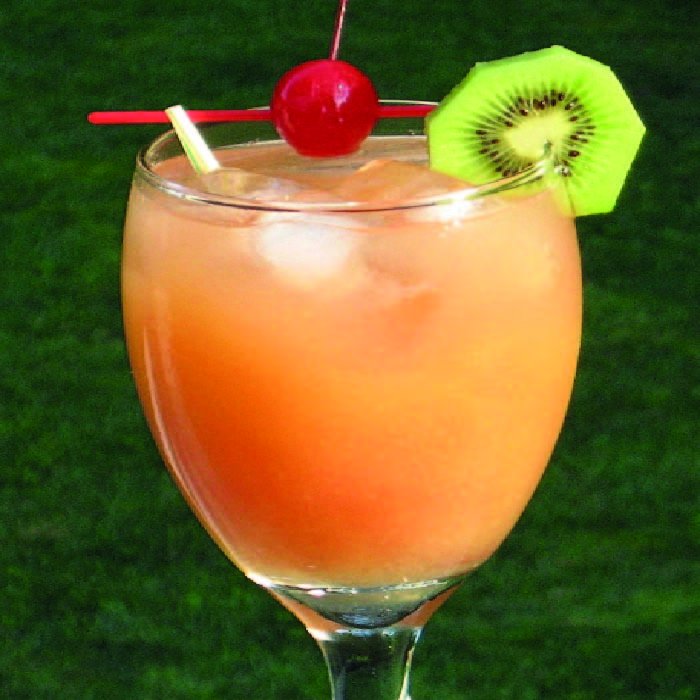
A Gilligan's Island is a medium alcoholic cocktail for brunch with Vodka, Peach Schnapps, Orange Juice.
Vodka
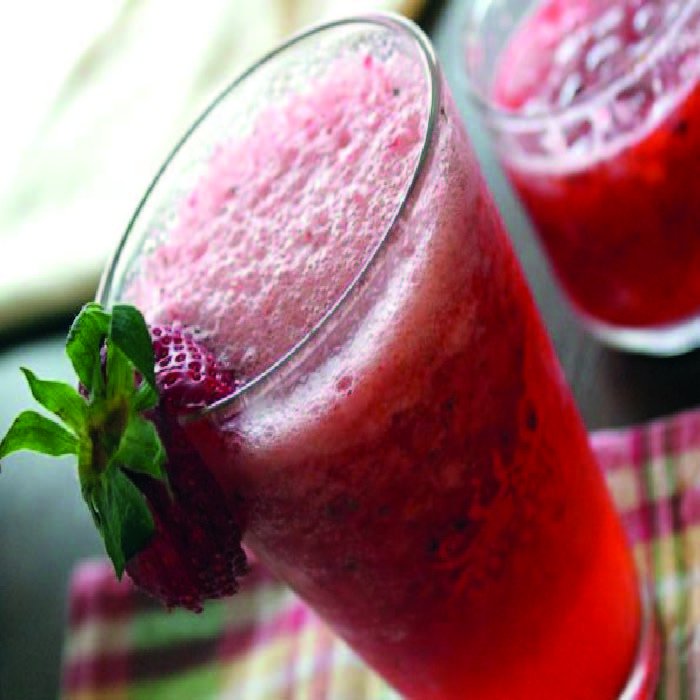
A midsummernight dream is a medium alcoholic cocktail for house party with Vodka, Kirschwasser, Strawberry Liqueur.
Vodka
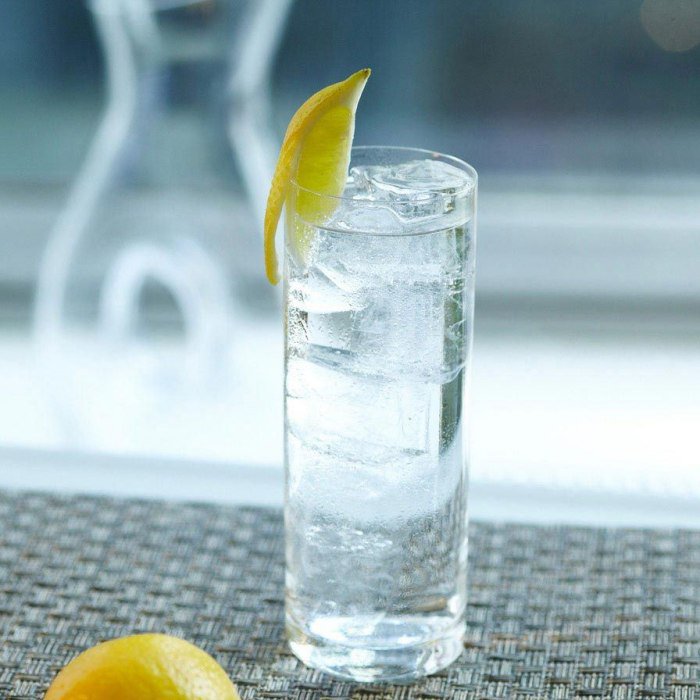
AT&T is a easy alcoholic cocktail for house party with Absolut Vodka, Gin, Tonic Water.
If you like this one
Vodka
A Gilligan's Island is a medium alcoholic cocktail for brunch with Vodka, Peach Schnapps, Orange Juice.
Vodka
Addison Special is a medium alcoholic cocktail for brunch with Vodka, Grenadine, Orange Juice.
Vodka
A midsummernight dream is a medium alcoholic cocktail for house party with Vodka, Kirschwasser, Strawberry Liqueur.
Keep browsing
What people are saying