
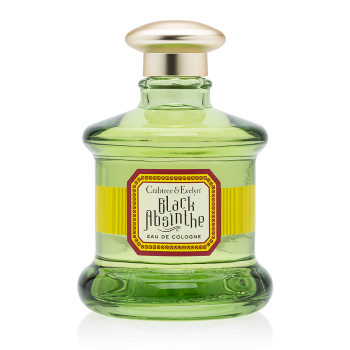
Made with Absinthe
Cocktails with Absinthe
Absinthe is historically described as a distilled, highly alcoholic (45–74% ABV / 90–148 U.S. proof) beverage.[1][2][3][4] It is an anise-flavoured spirit derived from botanicals, including the flowers and leaves of Artemisia absinthium...
Open this page when absinthe is one of the ingredients already on hand and you want drinks where it is doing real work, not just showing up in the background.
Read full ingredient background
Absinthe is historically described as a distilled, highly alcoholic (45–74% ABV / 90–148 U.S. proof) beverage.[1][2][3][4] It is an anise-flavoured spirit derived from botanicals, including the flowers and leaves of Artemisia absinthium ("grand wormwood"), together with green anise, sweet fennel, and other medicinal and culinary herbs.[5] Absinthe traditionally has a natural green colour but may also be colourless. It is commonly referred to in historical literature as "la fée verte" (the green fairy). Although it is sometimes mistakenly referred to as a liqueur, absinthe is not traditionally bottled with added sugar; it is therefore classified as a spirit.[6] Absinthe is traditionally bottled at a high level of alcohol by volume, but it is normally diluted with water prior to being consumed. Absinthe originated in the canton of Neuchâtel in Switzerland in the late 18th century. It rose to great popularity as an alcoholic drink in late 19th- and early 20th-century France, particularly among Parisian artists and writers. Owing in part to its association with bohemian culture, the consumption of absinthe was opposed by social conservatives and prohibitionists. Ernest Hemingway, James Joyce, Charles Baudelaire, Paul Verlaine, Arthur Rimbaud, Henri de Toulouse-Lautrec, Amedeo Modigliani, Pablo Picasso, Vincent van Gogh, Oscar Wilde, Marcel Proust, Aleister Crowley, Erik Satie, Edgar Allan Poe, Lord Byron and Alfred Jarry were all known absinthe drinkers. Absinthe has often been portrayed as a dangerously addictive psychoactive drug and hallucinogen. The chemical compound thujone, although present in the spirit in only trace amounts, was blamed for its alleged harmful effects. By 1915, absinthe had been banned in the United States and in much of Europe, including France, the Netherlands, Belgium, Switzerland and Austria-Hungary. Although absinthe was vilified, it has not been demonstrated to be any more dangerous than ordinary spirits. Recent studies have shown that absinthe's psychoactive properties (apart from that of the alcohol) have been exaggerated. A revival of absinthe began in the 1990s, following the adoption of modern European Union food and beverage laws that removed longstanding barriers to its production and sale. By the early 21st century, nearly 200 brands of absinthe were being produced in a dozen countries, most notably in France, Switzerland, Australia, Spain, and the Czech Republic.
What to make
Drinks built around absinthe.
Start with the top cards if you just want the clearest examples, then filter when you want to push toward a different spirit, style, or level of effort.
Results
3 cocktails
Gin
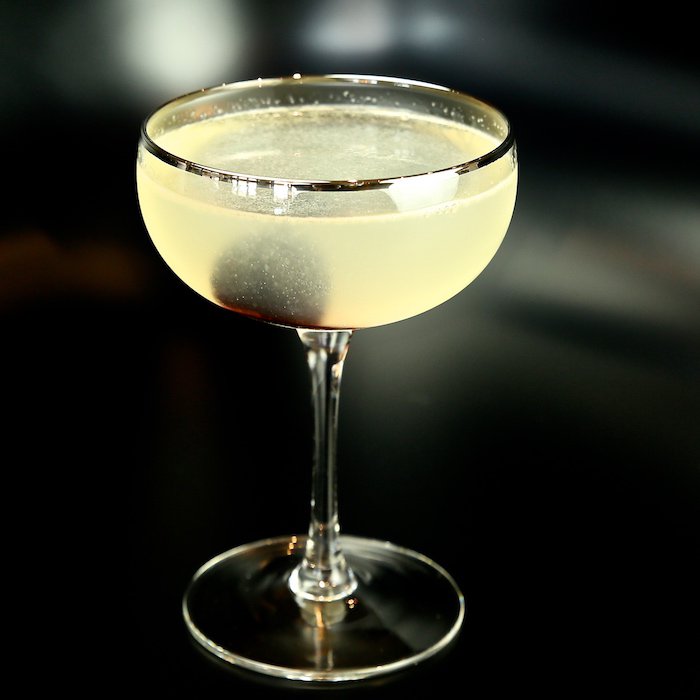
Corpse Reviver
Corpse Reviver is a medium alcoholic cocktail for date night with Gin, Triple Sec, Lillet Blanc.
Wine & Sparkling
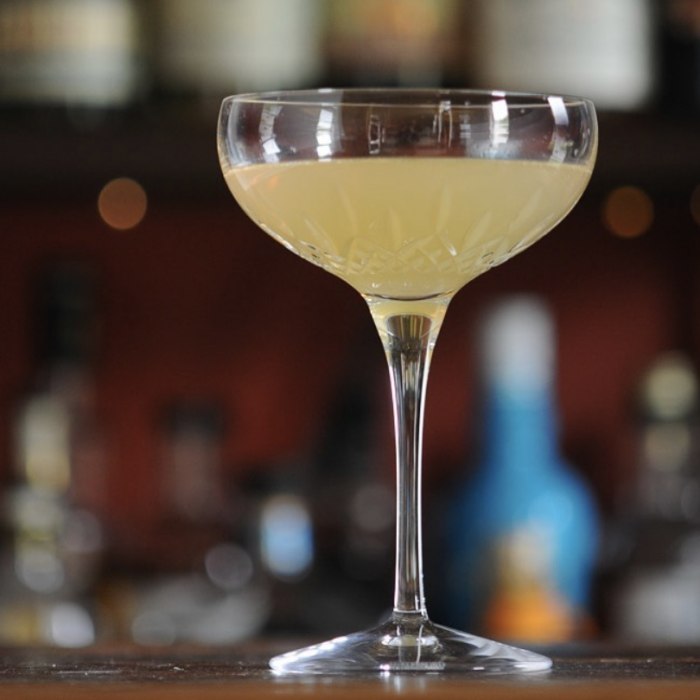
Death in the Afternoon
Death in the Afternoon is a easy alcoholic cocktail for brunch with Absinthe, Champagne.
Tequila
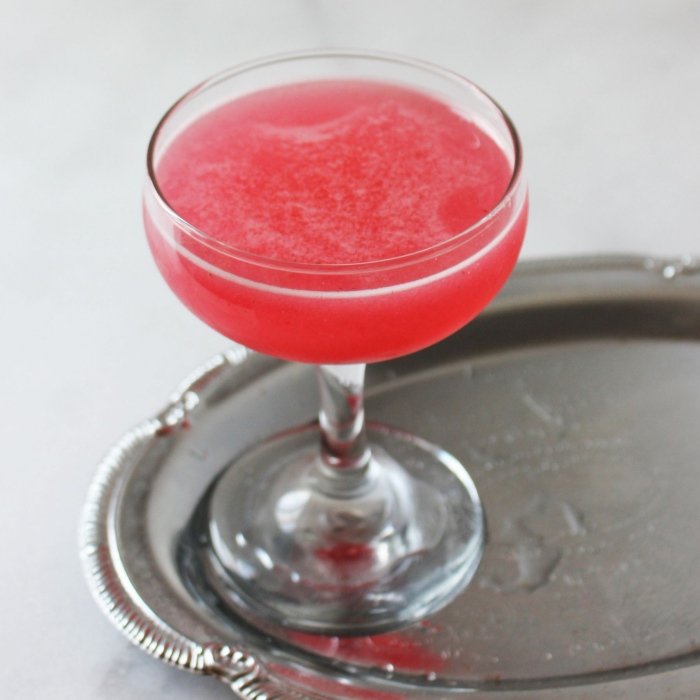
Moranguito
Moranguito is a easy alcoholic cocktail for summer patio with Absinthe, Tequila, Grenadine.
Follow the flavor
Lead with the flavor in your head and let the right lane answer back.
This is the better route when taste matters more than bottle choice. Each card leans into a distinct flavor mood rather than a rigid spirit category.

Citrus with lift
Bright, brisk drinks with snap, freshness, and the kind of finish that keeps the whole glass feeling awake.
See the bright, fizzy side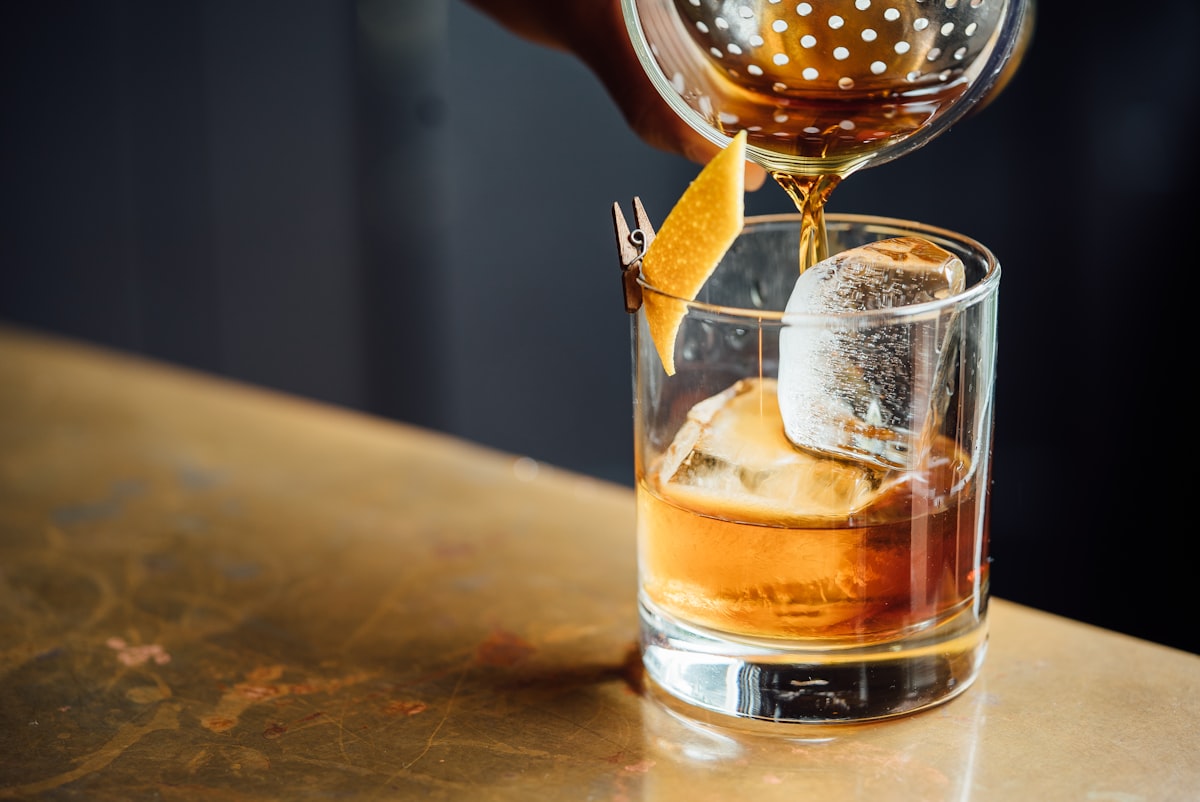
Orange afterglow
Rounder, juicier drinks that land softer and easier - less snap, more glow, more instant appeal.
Open the softer citrus picks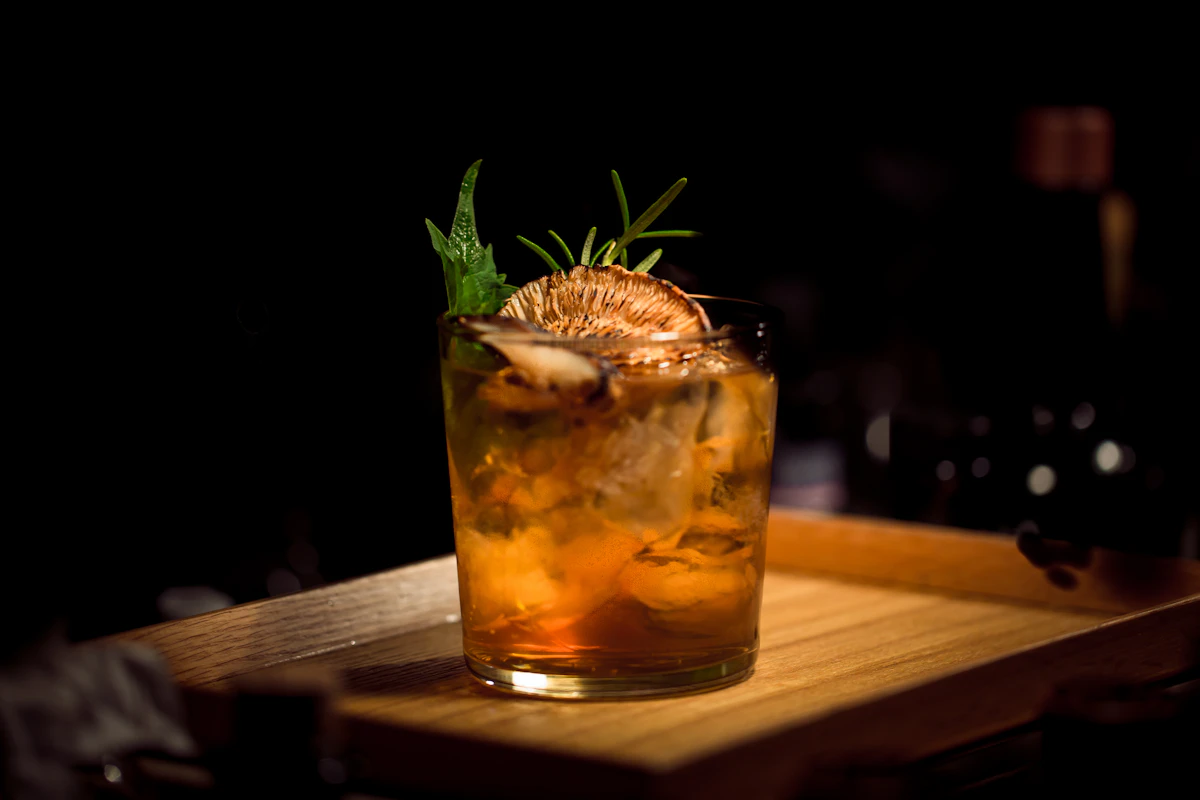
Tropical side trip
Softer, sweeter, and more playful - the lane for beach-leaning flavors, warmer energy, and a little escapism.
Take the tropical detourTry it another way
These next steps help if you want to widen back out from one ingredient to a bottle, a broader lane, or the strongest all-rounders.