
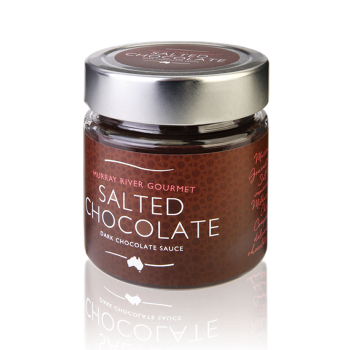
Made with Salted Chocolate
Cocktails with Salted Chocolate
Chocolate /ˈtʃɒklɪt, -kəlɪt/ (About this sound listen) is a typically sweet, usually brown food preparation of Theobroma cacao seeds, roasted and ground. It is made in the form of a liquid, paste, or in a block, or used as a flavoring...
Open this page when salted chocolate is one of the ingredients already on hand and you want drinks where it is doing real work, not just showing up in the background.
Read full ingredient background
Chocolate /ˈtʃɒklɪt, -kəlɪt/ (About this sound listen) is a typically sweet, usually brown food preparation of Theobroma cacao seeds, roasted and ground. It is made in the form of a liquid, paste, or in a block, or used as a flavoring ingredient in other foods. Cacao has been cultivated by many cultures for at least three millennia in Mesoamerica. The earliest evidence of use traces to the Mokaya (Mexico and Guatemala), with evidence of chocolate beverages dating back to 1900 BCE.[1] In fact, the majority of Mesoamerican people made chocolate beverages, including the Maya and Aztecs, who made it into a beverage known as xocolātl Nahuatl pronunciation: [ʃoˈkolaːt͡ɬ], a Nahuatl word meaning "bitter water". The seeds of the cacao tree have an intense bitter taste and must be fermented to develop the flavor. After fermentation, the beans are dried, cleaned, and roasted. The shell is removed to produce cacao nibs, which are then ground to cocoa mass, unadulterated chocolate in rough form. Once the cocoa mass is liquefied by heating, it is called chocolate liquor. The liquor also may be cooled and processed into its two components: cocoa solids and cocoa butter. Baking chocolate, also called bitter chocolate, contains cocoa solids and cocoa butter in varying proportions, without any added sugars. Much of the chocolate consumed today is in the form of sweet chocolate, a combination of cocoa solids, cocoa butter or added vegetable oils, and sugar. Milk chocolate is sweet chocolate that additionally contains milk powder or condensed milk. White chocolate contains cocoa butter, sugar, and milk, but no cocoa solids. Cocoa solids are a source of flavonoids and alkaloids, such as theobromine, phenethylamine and caffeine. Chocolate also contains anandamide. Chocolate has become one of the most popular food types and flavors in the world, and a vast number of foodstuffs involving chocolate have been created, particularly desserts including cakes, pudding, mousse, chocolate brownies, and chocolate chip cookies. Many candies are filled with or coated with sweetened chocolate, and bars of solid chocolate and candy bars coated in chocolate are eaten as snacks. Gifts of chocolate molded into different shapes (e.g., eggs, hearts, coins) have become traditional on certain Western holidays, such as Easter, Valentine's Day, and Hanukkah. Chocolate is also used in cold and hot beverages such as chocolate milk and hot chocolate and in some alcoholic drinks, such as creme de cacao. Although cocoa originated in the Americas, recent years have seen African nations assuming a leading role in producing cocoa. Since the 2000s, Western Africa produces almost two-thirds of the world's cocoa, with Ivory Coast growing almost half of that amount.
What to make
Drinks built around salted chocolate.
Start with the top cards if you just want the clearest examples, then filter when you want to push toward a different spirit, style, or level of effort.
Results
1 cocktails
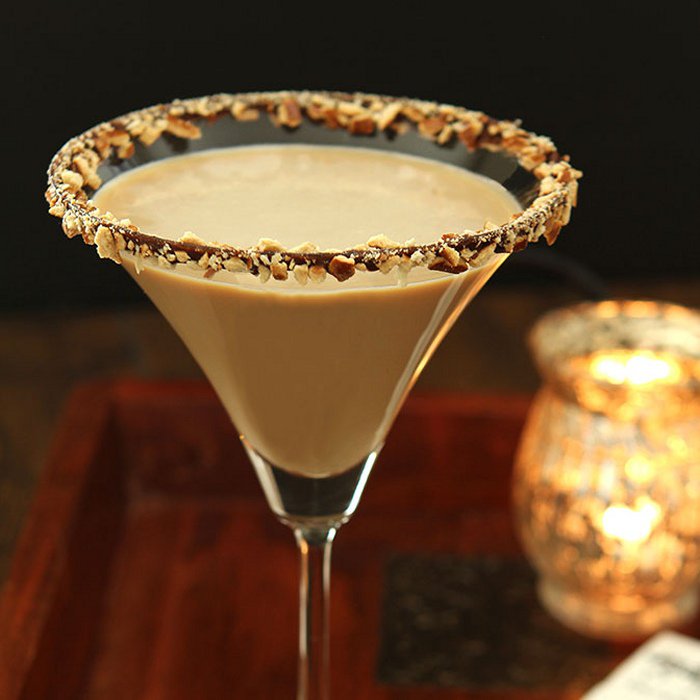
Follow the flavor
Lead with the flavor in your head and let the right lane answer back.
This is the better route when taste matters more than bottle choice. Each card leans into a distinct flavor mood rather than a rigid spirit category.

Citrus with lift
Bright, brisk drinks with snap, freshness, and the kind of finish that keeps the whole glass feeling awake.
See the bright, fizzy side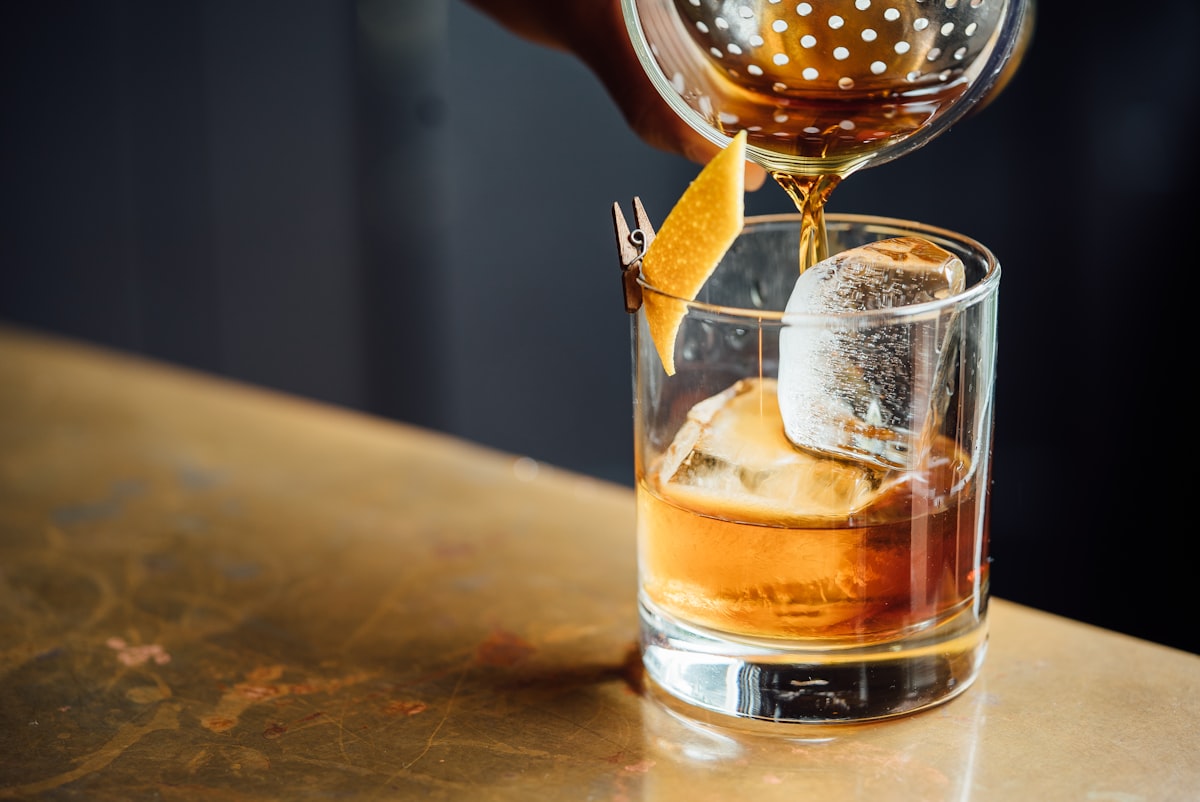
Orange afterglow
Rounder, juicier drinks that land softer and easier - less snap, more glow, more instant appeal.
Open the softer citrus picks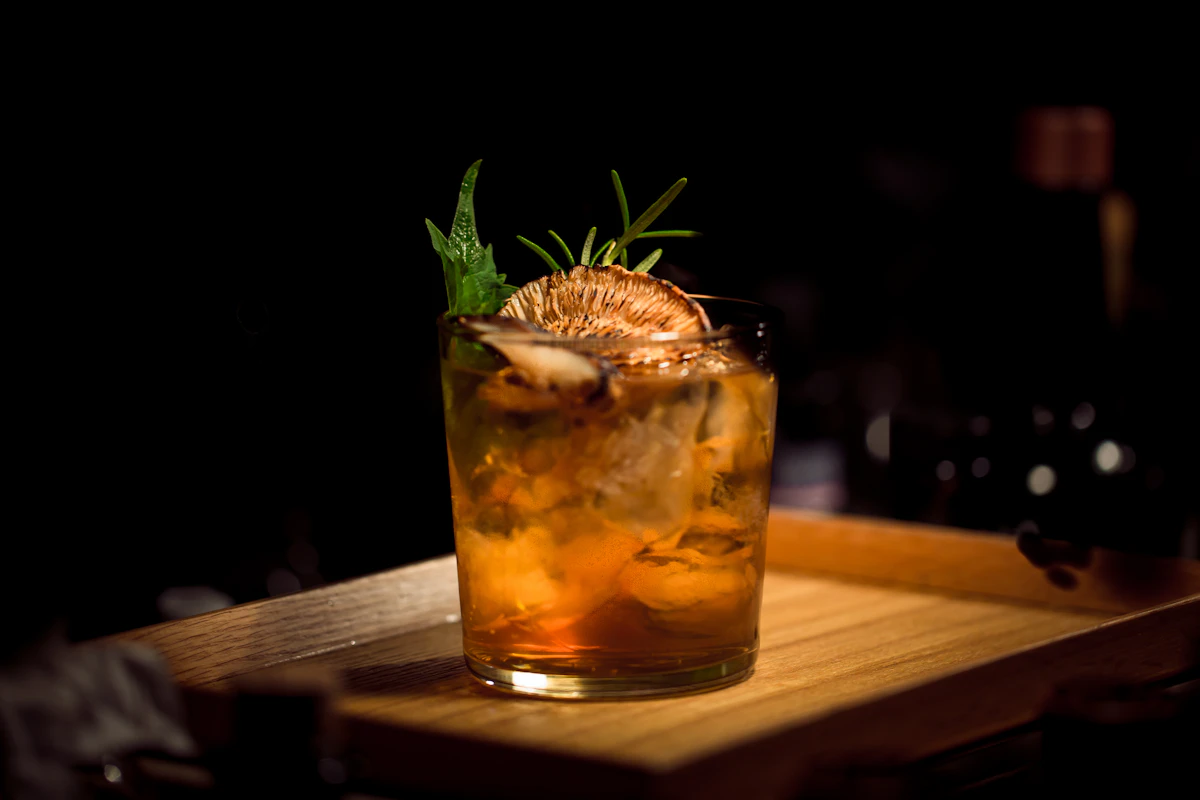
Tropical side trip
Softer, sweeter, and more playful - the lane for beach-leaning flavors, warmer energy, and a little escapism.
Take the tropical detourTry it another way
These next steps help if you want to widen back out from one ingredient to a bottle, a broader lane, or the strongest all-rounders.